
Packing for shoulder season
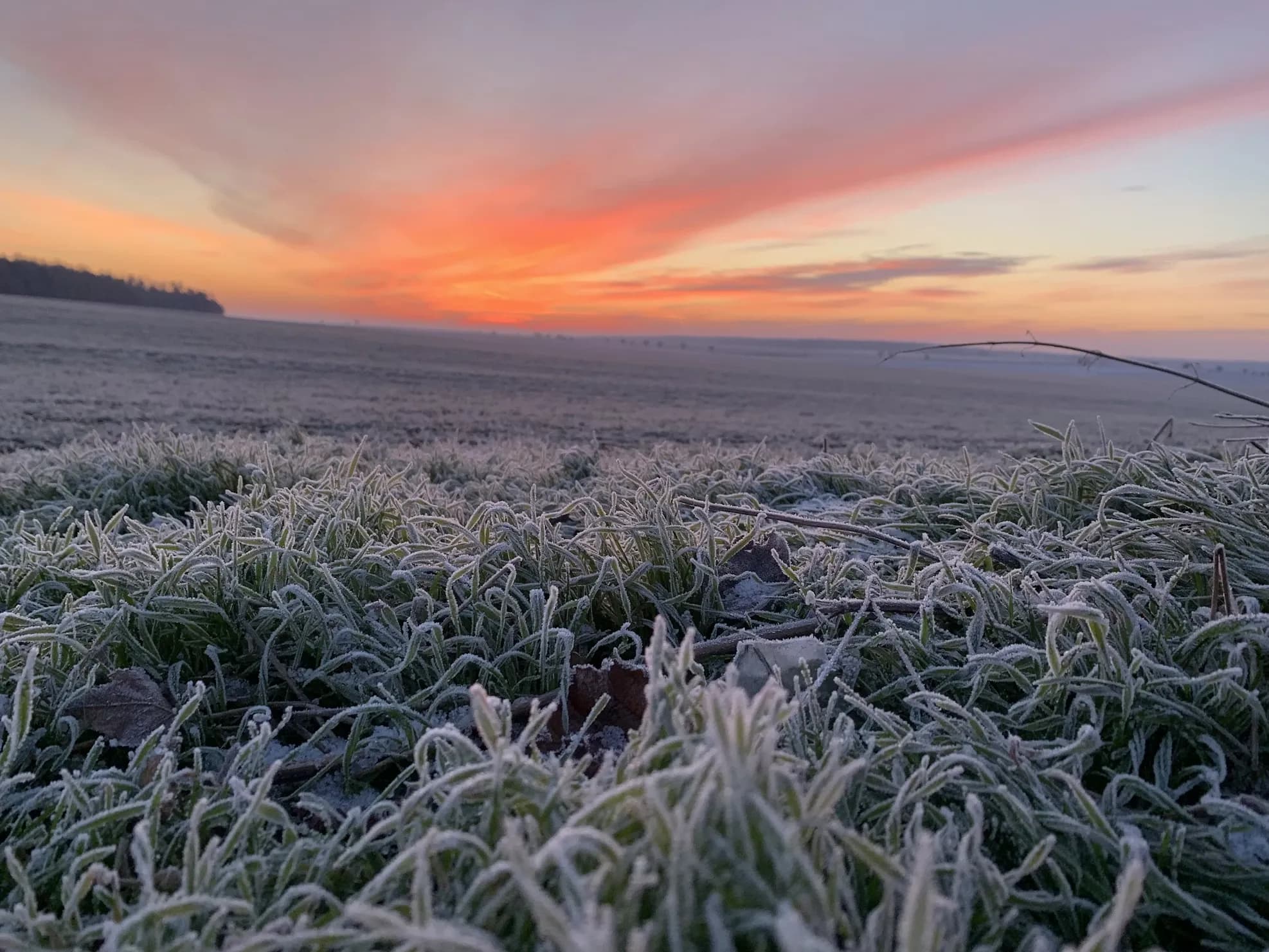
October in the mountains hands you a 70°F afternoon and a 28°F dawn in the same twenty-four hours. The usual answer is to pack two kits and carry both. The better answer is to let the forecast decide the pack — which is only possible if the plan knows the forecast per camp, not per region.
Pack against the cairns, not the season
“October in the Sierra” is not a packing spec. “Friday night at 10,200 ft: 31°F low, wind 15” is. Each located cairn in the plan carries its own numbers, and the pack should be built against the coldest night and the wettest day on the itinerary — not against the month. Half the weight people carry in shoulder season is insurance against a forecast they never actually looked up at elevation.
One kit, three dials
A 35-degree swing doesn't need two kits; it needs a system with three dials. Sleep: take the bag rated for the coldest cairn's low minus 5°F, and stop there. Active insulation: one grid fleece plus one wind shell covers moving temps from 30 to 65; the puffy is for stops, not for walking. Extremities: the cheapest warmth per ounce on the list — beanie, liner gloves, dry socks for camp. Ounces spent on a second jacket are almost always better spent on those three.
The shoulder-season division
Shoulder season's real risk isn't cold — it's the first storm of the fall arriving early. Every October trip I plan carries one standing division on the last high leg: “Freezing level above camp through day 4?” Plan A finishes the loop; Plan B drops a night and exits over the low pass. The pack for Plan B is the same pack — that's the test of the kit. If Plan B needs different gear, the plan is really two trips wearing one name, and the pack will fail at whichever one you didn't pack for.
Weigh the pack, then walk the plan once more in your head, cairn by cairn, wearing it. Anything you can't name a cairn for, take out.